

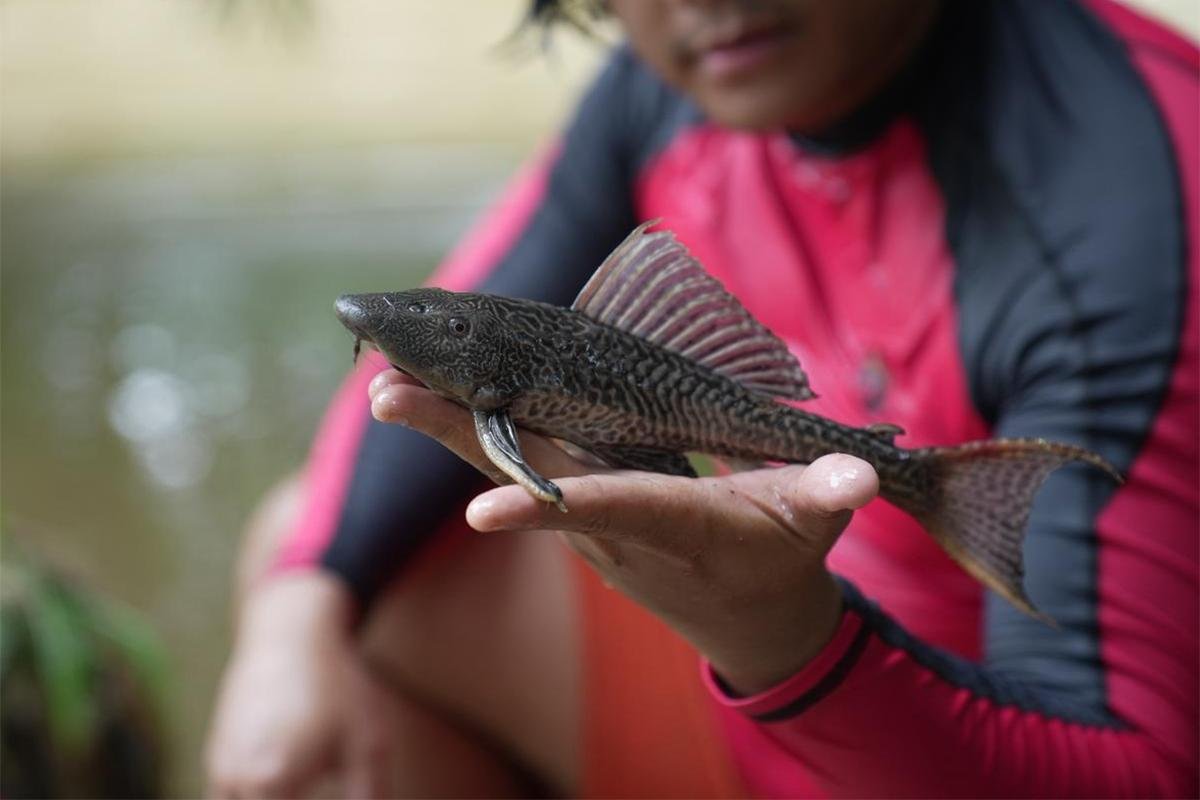
JAKARTA, JAKTIMES.COM — The Jakarta Provincial Government has begun paying closer attention to the growing presence of suckermouth catfish, locally known as ikan sapu-sapu, in the Ciliwung River, amid concerns over environmental pollution and public health.
Jakarta Regional Secretary (Sekda) Uus Kuswanto has instructed the Food Security, Marine and Agriculture Agency (KPKP) to follow up on the phenomenon, which he suspects is closely linked to waste and pollution issues along the river.
“This needs to be reported to the Food Security, Marine and Agriculture Agency. Suckermouth catfish usually thrive in rivers that have waste-related problems. This issue must be followed up seriously,” Uus said, as quoted by Jaktimes.com from Beritajakarta.id on Wednesday (Feb. 4).
Uus stressed that cross-agency coordination is crucial to properly address the situation, particularly to ensure public safety, especially regarding the consumption of fish caught from the river.
He explained that the KPKP agency would conduct on-site inspections to assess environmental conditions and provide clarity to residents, so that the public can feel safe and well-informed.
In addition, Uus urged other regional government agencies (OPDs) within the Jakarta administration to recognize and support the involvement of local communities that have been actively helping to control the population of suckermouth catfish in the Ciliwung River.
Going forward, stakeholders who have contributed to managing the invasive fish species are expected to collaborate more closely to preserve the ecological balance of the river.
“I will ask KPKP to conduct a direct field inspection,” he added.
Previously, the Jakarta administration, through the KPKP agency, emphasized that wild-caught suckermouth catfish from the Ciliwung River are not safe for consumption. Tests indicate a high risk of contamination by heavy metals such as lead, mercury, and cadmium, as well as E. coli bacteria.
Although suckermouth catfish can be consumed if farmed under controlled and hygienic conditions, fish living in polluted rivers are not subject to food safety monitoring. The accumulation of hazardous substances — ranging from microplastics to industrial waste — poses a serious risk of chronic poisoning and long-term health problems if consumed regularly (Wan)